1. Describe the basic telecommunications system?
A Basic Telecommunications System consists of hardware and software which transmit information from one node to another. Text, data, graphics, voice, documents, or full-motion videos can be transmitted through the system either by analog or digital signals.
Analog signals are continuous waves which transmit information by altering their characteristics.
Digital signals are pulses which makes use of the binary system. This is when bits are used to portray zeros and ones, which represents a series of ons and offs.
 http://www.privateline.com/manual/fig3_1.gif
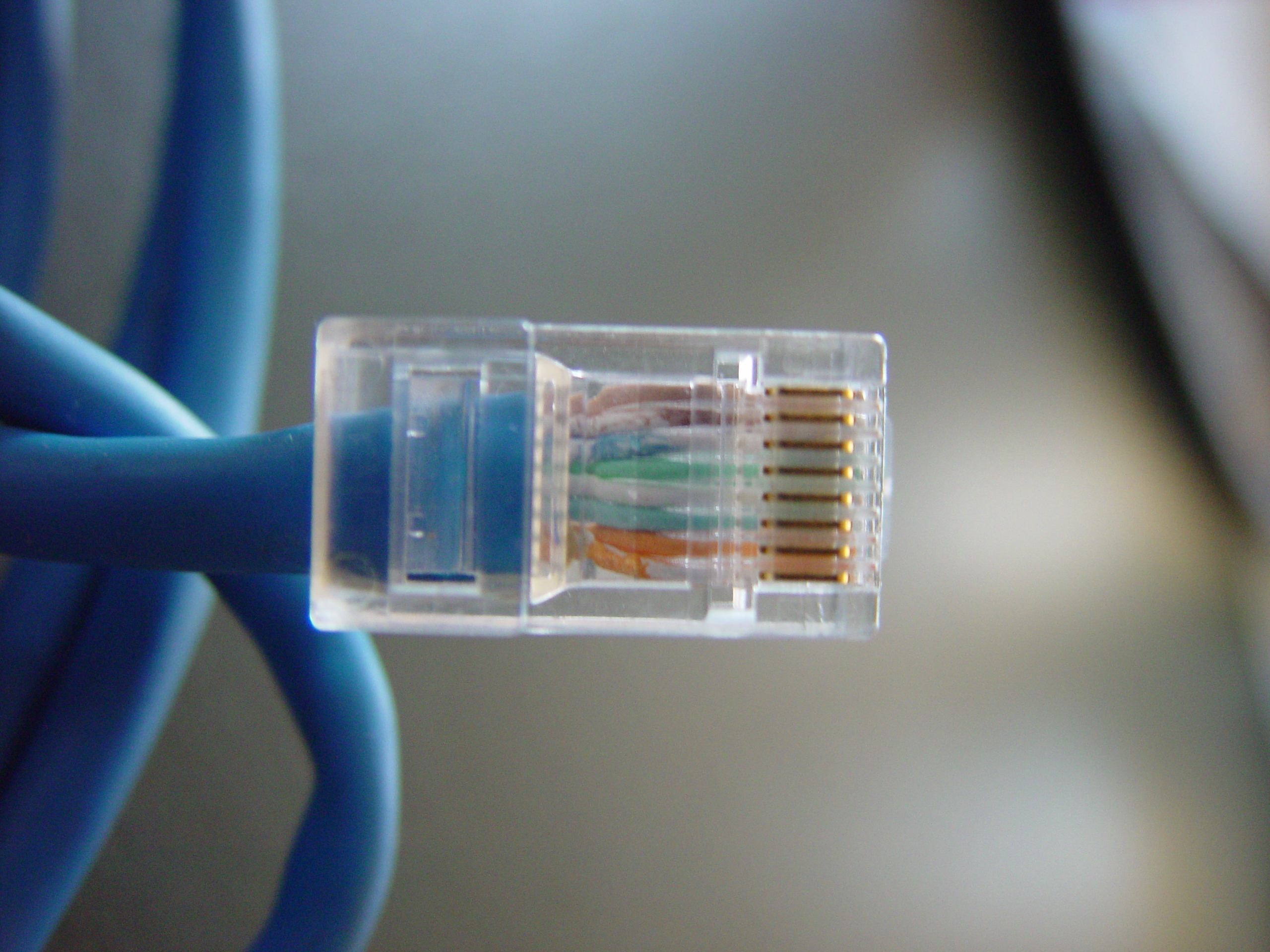
Ethernet is the international standard networking technology for wired implementations. It is a technology for high-speed bandwidth connectivity over local area networks. And is the most common cabling used when establishing networks.
 http://www.turbophoto.com/Free-Stock-Images/Images/Ethernet%20Cable.jpg
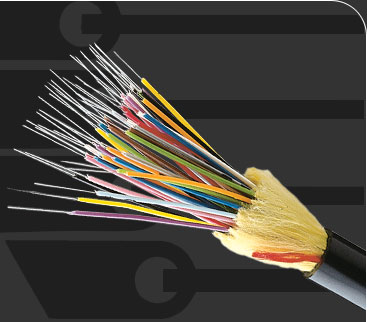
Fibre optic cables are types of cables with fibre optics or plastic core that transmits digital signals in the form of light pulses. The image below displays the number of fibre optic wires within a single cable.
 http://schrier.files.wordpress.com/2008/07/fiber-optic-cable.jpg
3. What are the main business reasons for using networks?
- Improve efficiency
- Reduced errors
- Improved consistency
- Improved communication
Reduce costs
4. What is the difference between LANs and WANs?
Local area networks (LANs) connect computers over a single location such as within an office while Wide area networks (WANs) connect computers at different geographic locations such as an office network from Sydney to Melbourne.
 http://www.webperformanceinc.com/support/suite/manual/how_to_load_test_files/image002.jpg
Network Protocols are a set of rules that enable data to move around the internet
Application protocols – DNS, HTTP, HTTPS
Internet Protocols – ICMP (Routing Protocols)
Internet Protocols – ICMP (Routing Protocols)
Network Access Protocols – Ethernet, Wi-Fi
Transport Protocols – TCP/IP, UDP
6. Describe TCP/IP protocol.
Watch this Video for a quick discussion of Transmission Control Protocol/Internet Protocol

No comments:
Post a Comment