Chapter 7
1. Identify common wireless devices and their application to business
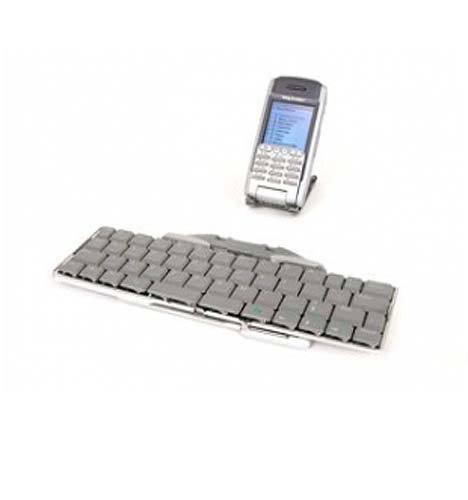
Notebooks
1. Identify common wireless devices and their application to business
Notebooks
 http://ecx.images-amazon.com/images/I/31JMfgh-FgL.jpg
2. Describe the various types and general characteristics of wireless transmission media/technologies - microwave, satellite, infrared and radio waves.
Microwave Transmission systems are used for high volume, long distance, line-of-sight communications (transmitter and receiver must be in view of each other). However they are susceptible to environmental interference such as severe weather such as heavy rain/ snow storms. This form has come to be replaced by satellite communication systems.
Microwave Transmission systems are used for high volume, long distance, line-of-sight communications (transmitter and receiver must be in view of each other). However they are susceptible to environmental interference such as severe weather such as heavy rain/ snow storms. This form has come to be replaced by satellite communication systems.
Satellite Transmission Systems
Geostationary (GEO), Farthest from the earth
Medium Earth Orbit (MEO)
Low Earth Orbit (LEO). Closest from the earth
Geostationary (GEO), Farthest from the earth
Medium Earth Orbit (MEO)
Low Earth Orbit (LEO). Closest from the earth
Similar to microwave transmissions, satellites must receive and transmit data via a line of sight. It overcomes the limitations of microwave data relay stations because the height the satellite orbits. So, even though satellites are line-of-sight like microwave, they are high enough for broadcast transmission, thus overcoming the limitations and restrictions of microwave.
Radio Transmission uses radio-wave frequencies to send data directly between transmitters and receivers. Radio transmission has several advantages:
- can send the radio waves through normal office walls,
- its inexpensive and easy to install,
- can transmit data at high speeds
Infrared Transmission uses an infrared light/red light to transmit the data. Such as remote controls for Televisions. Used for short-distance connections between computers and peripheral equipment.

http://www.centennialofflight.gov/essay/Dictionary/ELECTROSPECTRUM/DI159G1.jpg
3. What is bluetooth/how is it used?
Bluetooth is an industry specification used to create small personal networks (similar to that of wlan but smaller range). Bluetooth enables short-range connection (data and voice) between wireless devices E.g. mobile phones.
Bluetooth is an industry specification used to create small personal networks (similar to that of wlan but smaller range). Bluetooth enables short-range connection (data and voice) between wireless devices E.g. mobile phones.
 http://www.home-network-help.com/images/wireless-ap-network.jpg
4. What are WLAN's, Wi-Fi, WWAN's, 3G?
Wireless Local Area Network (WLAN): a wireless local computer network in a limited geographical area that used wireless transmission for communication.
Wireless Local Area Network (WLAN): a wireless local computer network in a limited geographical area that used wireless transmission for communication.

http://www.home-network-help.com/images/wireless-ap-network.jpg
Wireless Fidelity (WI-Fi) is a medium range WLAN, which is basicallythe same as WLAN with a larger range.
Wireless Wide Area Networks (WWANs) can bridge branch offices of a company and cover a much more extensive area that wireless LANs or Wi-fi.
3G network: the 'third generation' of developments in wireless technology, especially mobile communications. 3G technologies enables network operators to offer mobile users a wider range of more advanced services such as high speed internet while achieving greater network capacity.
5. What are the drivers of mobile computing and mobile commerce
There’s a widespread availability of mobile devices, no need for pc's anymore due to PDAs, net books and notebooks. Bandwidth improvement has meant quicker processing and therefore more effective and efficient mobile commerce and computing.
3G network: the 'third generation' of developments in wireless technology, especially mobile communications. 3G technologies enables network operators to offer mobile users a wider range of more advanced services such as high speed internet while achieving greater network capacity.
5. What are the drivers of mobile computing and mobile commerce
There’s a widespread availability of mobile devices, no need for pc's anymore due to PDAs, net books and notebooks. Bandwidth improvement has meant quicker processing and therefore more effective and efficient mobile commerce and computing.
6. Explain the nature of RFID
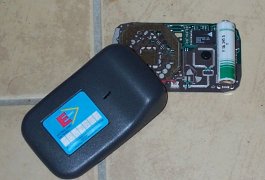
Radio Frequency Identification Technology(RFID) is a wireless technology developed to replace barcodes by permitting manufacturers to attach RFID tags with antennas and computer chips and then track their movement through radio signals. Some tags can be read from several meters away and beyond the line of sight of the reader. Tags remain expensive so they are not used in low-prices items. Examples include E-tag or speedpass.




No comments:
Post a Comment